
JGS1 vs JGS2 vs JGS3: Choosing Quartz Glass for Filters
Grade differences come from the melting process and hydroxyl content. Selection should rest on measured transmission, thickness loss and substrate specs.
Plain-language optics know-how for purchasing engineers, optical designers and newcomers: principles, coating process, selection rules and real applications — so you know what to pick and why.
Filter: #selection —— 18 articles Clear
Grade differences come from the melting process and hydroxyl content. Selection should rest on measured transmission, thickness loss and substrate specs.
 Applications
Match filters to lighting and defect signals, manage glare and saturation, and validate the choices through a metal-scratch inspection sequence.
 Coating Process
Compare surface roles, rear reflections, passband losses and blocking, then specify and verify the complete coated optic.
 Selection Guide
Choose optical bandwidth by integrating the target spectrum, filter window and detector response, then checking noise and drift margins.
 Selection Guide
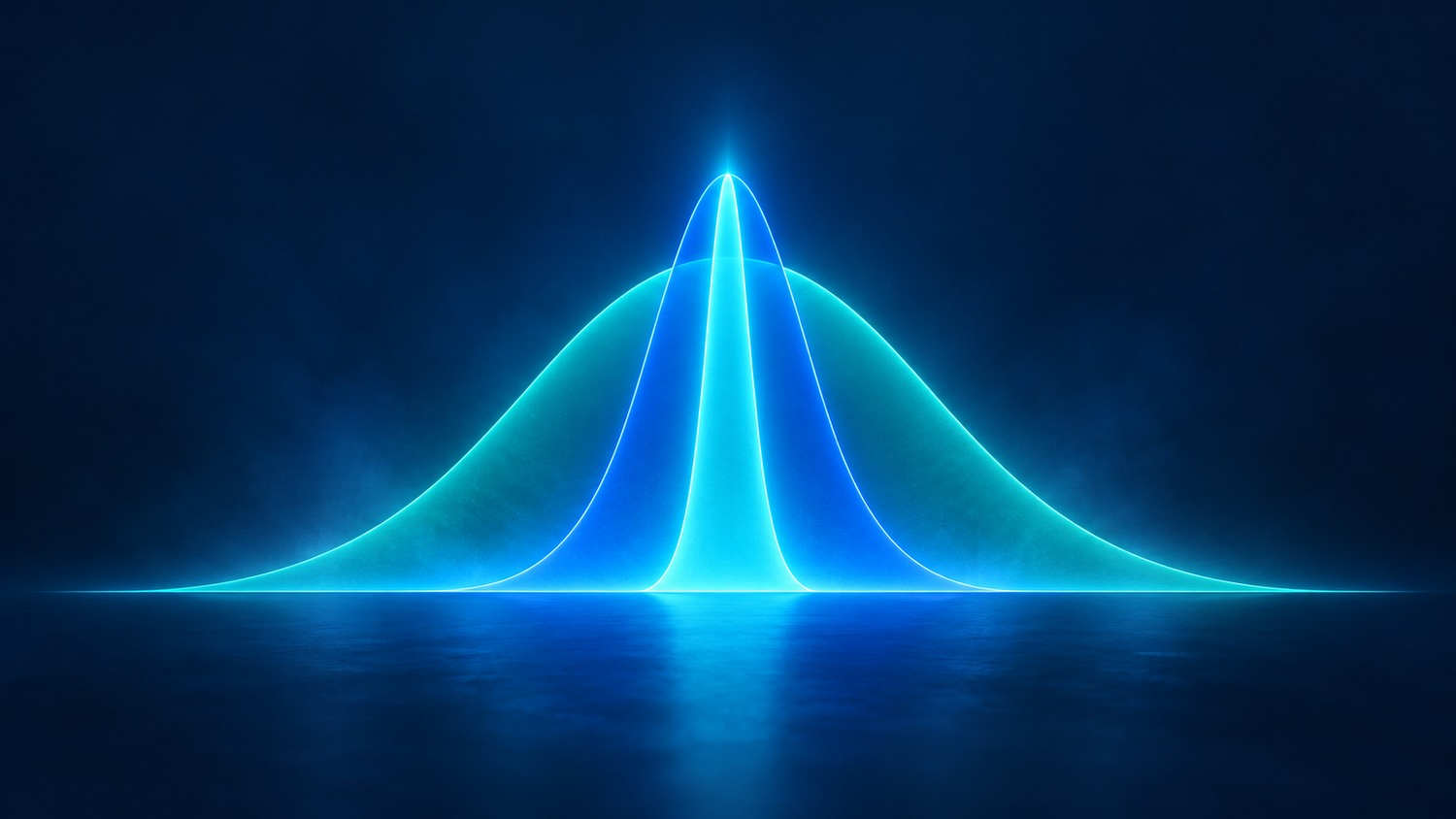
Compare 1 nm, 10 nm and 50 nm windows by signal coverage, background rejection and drift margin, with practical specification examples.
 Selection Guide
Compare useful signal, background leakage and noise to see when a lower transmission peak can deliver a clearer measurement.
 Selection Guide
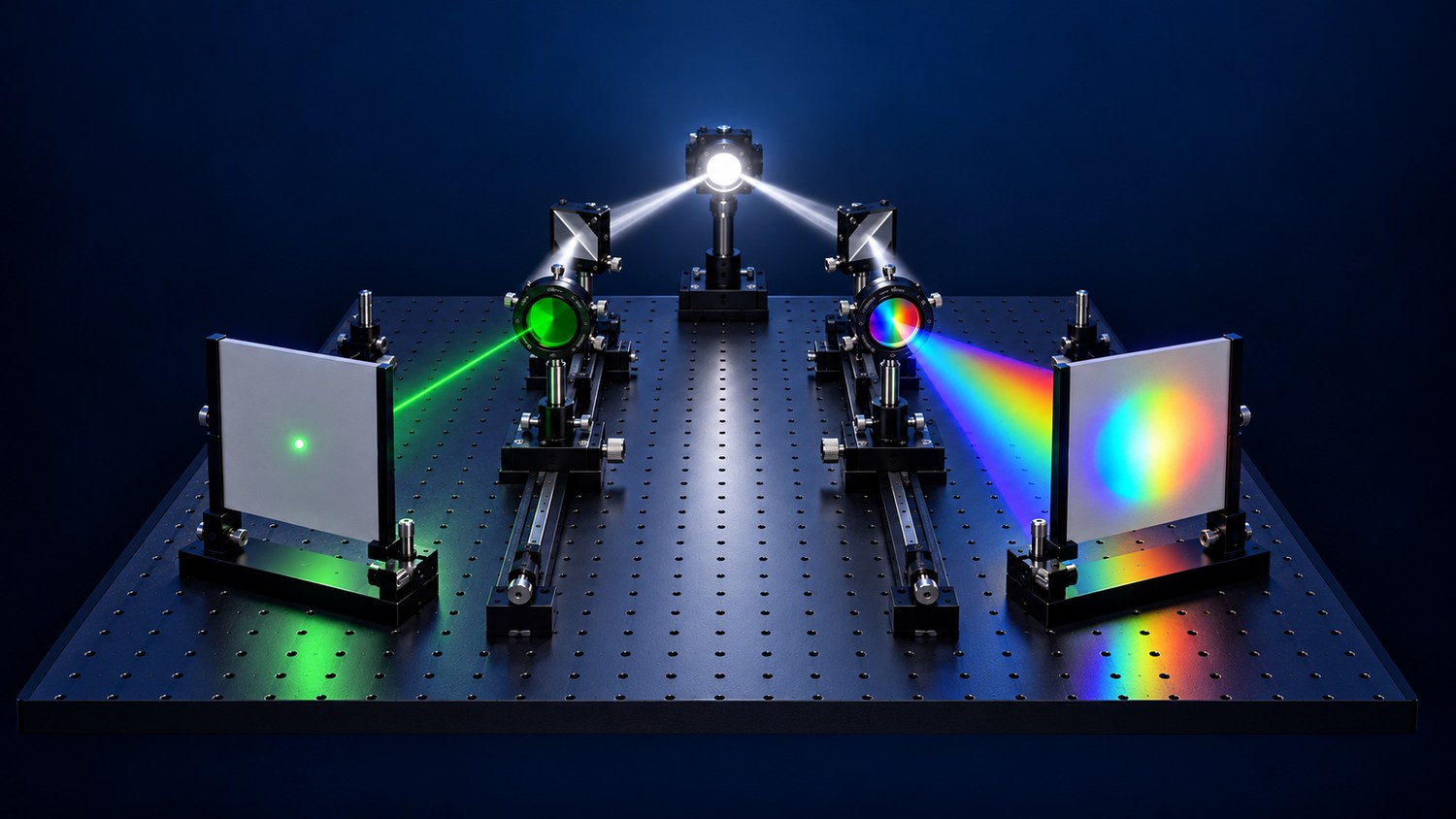
Compare signal retention, background noise and drift margins to choose a bandwidth and write measurable acceptance criteria.
 Optics Basics
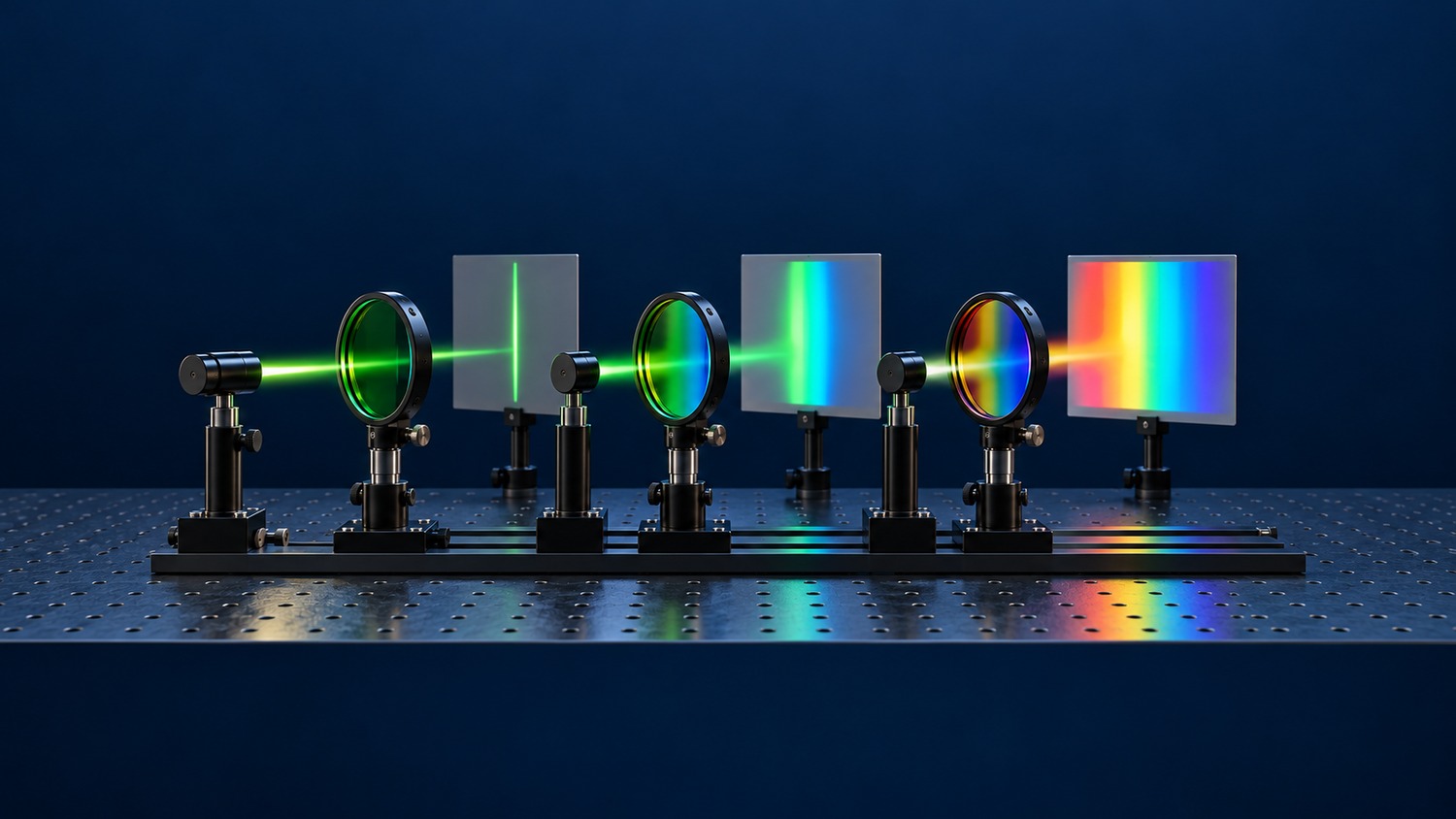
Match bandpass width to signal spectra, background rejection and operating margins across narrow, medium and broad applications.
 Coating Process
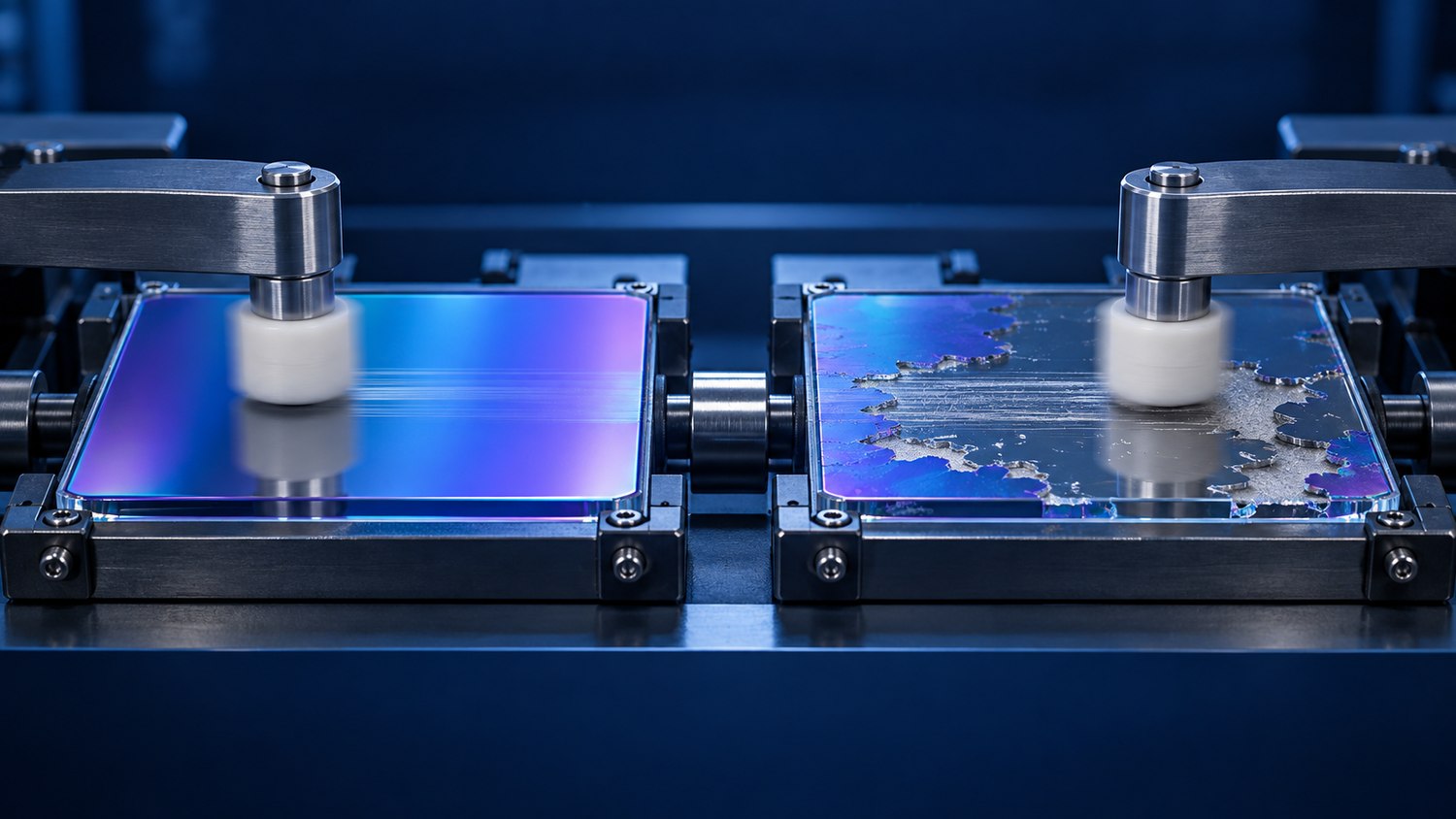
Compare hard and soft coatings at equal optical specifications, including protection, servicing and replacement costs over the intended lifetime.